
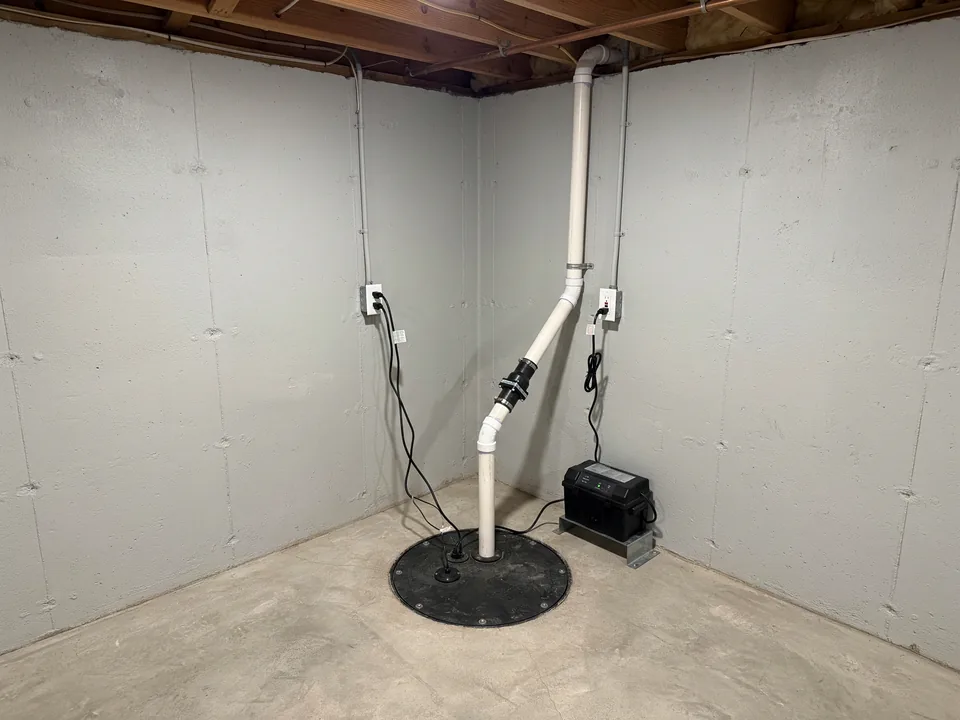
Near Utah Lake's shallow water table in Saratoga Springs, sump pumps fail most often from storm-related power outages, stuck mechanical float switches, clogged check valves, or burned-out motors after years of continuous cycling. Pairing a cast-iron primary pump with a battery backup and testing the basin every spring prevents sudden basement floods.
Homes along the northern and western shores of Utah Lake—including Talons Cove, Saratoga Shores, Northshore, and lower-elevation streets of Harvest Hills—rely on basement sump basins far more heavily than homes on high valley benches. When spring snowmelt from the Wasatch and Oquirrh mountains pushes groundwater upward, a single sump pump can cycle dozens of times a day.
When that pump fails silently overnight, groundwater rises straight through the basin lid and across finished carpet in less than an hour. If your sump pit has already overflowed, call our Saratoga Springs water damage restoration referral line at (801) 555-0194 for immediate flooded basement cleanup and emergency water extraction.
The 6 Most Common Causes of Sump Pump Failure in ZIP 84045
| Failure Cause | Why It Happens in Saratoga Springs | How to Prevent It |
|---|---|---|
| 1. Storm Power Outages | Summer cloudbursts and winter windstorms knock out grid power at the exact moment groundwater inflow peaks. | Install a dedicated deep-cycle marine battery backup pump or water-powered backup system. |
| 2. Stuck Tethered Float Switch | Pump shifts inside a narrow basin and pins the tethered float against the concrete or PVC wall. | Upgrade to a vertical sliding float switch or solid-state electronic level sensor. |
| 3. Failed or Missing Check Valve | Without a working check valve, water pumped up the vertical pipe falls right back into the pit, forcing nonstop short-cycling. | Install a quiet spring-loaded PVC check valve just above the basin lid and inspect yearly. |
| 4. Frozen or Blocked Exterior Discharge Pipe | Sub-zero Utah County nights freeze poorly sloped exterior discharge extensions, dead-heading the pump. | Slope discharge lines continuously downward and install a freeze-guard relief fitting at the foundation exit. |
| 5. Undersized or Aging Motor (7–10+ Years) | Builder-grade plastic 1/3 HP pumps wear out quickly under continuous Utah Lake groundwater load. | Replace builder-grade units proactively at 7 years with a cast-iron 1/2 HP primary pump (e.g., Zoeller or Liberty). |
| 6. Silt & Gravel Jamming the Impeller | Unlined gravel basins draw fine Utah Lake clay and silt into the pump intake screen. | Use a sealed poly sump liner with clean washed stone and vacuum silt from the pit annually. |
Important Saratoga Springs Code Rule: Never Discharge Sump Water Into Sanitary Sewers
Under Saratoga Springs City Code Title 8 (Public Utilities and Services), discharging groundwater, foundation drains, or sump pumps into a building's sanitary sewer drain is strictly prohibited. Connecting a sump pipe to a basement floor drain or laundry standpipe overloads Timpanogos Special Service District (TSSD) sewer treatment capacity and increases the risk of raw sewage backup cleanup emergencies across your neighborhood.
Instead, route your sump pump discharge outside through the rim joist and extend it at least 10 feet away from your foundation onto a properly graded slope (matching our 5% positive yard grading rules) so pumped water never loops straight back down into your perimeter drain tile.
Primary vs. Battery Backup vs. Water-Powered Backup Systems
- Cast-Iron Primary Pump (1/2 HP): Dissipates motor heat far better than thermoplastic pumps during long spring-runoff cycles and resists cracking.
- DC Battery Backup Pump: Sits beside or slightly above the primary pump inside the same basin with its own dedicated float switch. If grid power fails or the primary pump burns out, the DC backup kicks on automatically and sounds an alarm. Replace AGM or marine deep-cycle batteries every 3 to 5 years.
- Water-Powered Backup Pump: Uses municipal culinary water pressure (via a venturi suction mechanism) rather than electricity, requiring a code-compliant backflow preventer. Works indefinitely during multi-day blackouts as long as Saratoga Springs culinary water pressure remains active.
10-Minute Spring & Fall Sump Pump Maintenance Routine
- Unplug and Inspect the Pit: Lift the sealed basin lid, check for standing mud or gravel around the intake, and verify the pump sits level on a solid brick or pedestal—not buried in silt.
- Pour a 5-Gallon Bucket Test: Plug the pump back in and slowly pour 5 gallons of clean water into the basin. Confirm the float rises smoothly, the pump engages promptly, water exits outside cleanly, and the check valve closes without loud water-hammer banging.
- Test the Backup System Separately: Unplug the primary pump and repeat the bucket test to verify your battery backup pump activates and charges properly.
- Add a Wi-Fi High-Water Alarm: A $40 Wi-Fi water sensor mounted 2 inches below the basin rim alerts your phone before water ever reaches your basement carpet.
If a sump failure has already soaked your finished basement, remember that sump basin water is typically treated as Category 2 gray water (see water damage categories 1, 2, and 3) and requires prompt sanitization and structural drying to prevent odors and mold. Also check your homeowners policy for a Water Backup endorsement using our Utah insurance claims guide.
Sizing & Specifying a Reliable Sump System for Lakeside Utah County Homes
Builder-grade sump pumps installed during initial subdivision construction are often lightweight 1/3-horsepower thermoplastic units sized for minimal occasional moisture—not sustained spring groundwater along the Utah Lake shoreline. When upgrading a sump basin in Talons Cove, Saratoga Shores, Northshore, or Lehi, compare these core specifications with your licensed plumber:
| Component | Builder-Grade Baseline | Lakeside Recommended Upgrade |
|---|---|---|
| Primary Pump Housing | Plastic / thermoplastic 1/3 HP | Cast-iron 1/2 HP (cooler operation, quieter, longer bearing life) |
| Float Switch Style | Tethered floating ball (prone to snagging) | Vertical mechanical rod or solid-state electronic switch |
| Check Valve | Basic flapper valve (loud slam, shorter life) | Silent spring-loaded clear-body PVC check valve (visual flow check) |
| Power Outage Backup | None | Dedicated DC battery-backup combo pump (AGM deep-cycle battery) or water-powered backup |
| Basin Cover & Monitoring | Loose unsealed lid | Gasketed radon/moisture-sealed lid + Wi-Fi high-water alarm |
Warning Signs Your Sump Pump Is Close to Failing
Most sump pumps give audible or mechanical warning signs weeks before they quit completely during a heavy Lake Mountain storm. Schedule a plumbing inspection immediately if you notice any of these five symptoms:
- Rapid Short-Cycling (Every 15–60 Seconds): Usually points to a stuck float switch, a failed check valve dumping discharge water back into the pit, or an oversized pump in a tiny basin—burning out the motor prematurely.
- Loud Grinding, Rattling, or Humming Without Pumping: Indicates a jammed impeller, worn motor bearings, or a broken shaft; the pump draws current without moving water out of the pit.
- Visible Rust Stains or Oily Sheen on Pit Water: Signals corroding internal seals or iron-bacteria buildup clogging intake screens.
- Continuous Running During Dry Winter Months: Means either a stuck "on" switch or an active underground plumbing/irrigation leak feeding your perimeter drain tile.
- Age Exceeding 7 Years Without Replacement: Replacing an aging pump proactively costs a fraction of a single flooded basement cleanup and drywall rebuild.
If your sump pit has already overflowed and soaked your lower level, call (801) 555-0194 for 24/7 routing to an independent local mitigation crew, and estimate cleanup ranges using our Saratoga Springs cost calculator.
What to Check After Any Storm or Power Outage Near Utah Lake
After a heavy Lake Mountain thunderstorm or brief neighborhood power flicker in Talons Cove, Saratoga Shores, or Harvest Hills, take two minutes to walk downstairs and inspect your sump utility corner. Verify the primary pump's GFCI outlet has not tripped, check that the battery-backup charger shows a steady green charge light rather than a fault alert, and walk outside to confirm the PVC discharge elbow is clear of mud, mulch, or winter ice. Catching a tripped breaker or blocked discharge line right after a storm prevents silent pit overflow during the very next snowmelt surge—and keeps your basement free of storm and flash flood damage. For additional peace of mind during multi-day spring runoff, keep a spare replacement check valve on hand and test your backup battery load each autumn before freezing weather arrives across ZIP 84045.
Frequently Asked Questions
How long does a residential sump pump last near Utah Lake?
Can I run my sump pump discharge hose into my basement utility sink or floor drain?
Is sump pump overflow water clean Category 1 or gray Category 2?
Need Local Water Mitigation Help in ZIP 84045?
Call (801) 555-0194 any hour to connect with an independent local water damage restoration contractor serving Saratoga Springs, Eagle Mountain, and Lehi.
Call (801) 555-0194 — 24/7 Dispatch